When it comes to manufacturing durable, long lasting metal components, few materials perform as well as galvanized steel. In precision machining, where accuracy, strength, and longevity are critical, the protective finish on your metal can make all the difference.
However, not all galvanizing methods are created equal. You’ve likely heard of hot dip galvanized and electro galvanized steel, but understanding the differences between them and knowing which is right for your application is essential for ensuring your parts meet performance and quality standards
What Does “Galvanized” Mean?
Galvanizing is the process of coating steel or iron with a layer of zinc to protect it from rust and corrosion. This barrier acts like armor against the elements — keeping steel parts stronger, longer.
Because zinc naturally corrodes before steel does, it essentially sacrifices itself to protect the metal underneath. That’s why galvanized steel is used everywhere from bridges and farm equipment to machined fasteners and automotive components.
Why Choose Galvanized Steel?
Galvanized steel offers several major advantages for both manufacturers and end users:
- Corrosion resistance: The zinc coating provides a built-in rust barrier.
- Cost-effective durability: It’s more affordable than stainless steel but still built to last.
- Low maintenance: Once coated, galvanized steel needs virtually no upkeep or refinishing.
- Long lifespan: Expect up to 50 years in normal conditions — or 20+ even in harsh weather.
That’s why so many industries, from construction to precision machining, rely on galvanized steel for strength, longevity, and reliability.
Types of Galvanizing Methods
There are a few ways to galvanize steel, each with its own benefits. Here’s a quick overview:
1. Hot-Dip Galvanizing
The steel is submerged in molten zinc, creating a thick, bonded coating that’s extremely corrosion-resistant. This is the most common and most durable method.
2. Electrogalvanizing
Instead of molten zinc, this process uses an electrical current in a zinc-based solution to coat the steel. The result is a thinner, smoother layer — often used for applications needing tight tolerances or a polished appearance.
3. Pre-Galvanizing
The steel is cleaned, quickly dipped in molten zinc, and then coiled for later fabrication. It’s efficient for mass production but less protective at cut edges.
4. Galvannealing
This combines hot-dip galvanizing with annealing to produce a matte finish that’s ideal for painting and welding — common in the automotive industry.
A Closer Look at the Hot-Dip Galvanizing Process
So, what exactly happens when steel is “hot-dip galvanized”?
- Preparation: The steel is cleaned to remove dirt, grease, and mill scale.
- Immersion: It’s then dipped into a bath of molten zinc (around 840°F).
- Bonding: As the steel reacts with the zinc, a series of iron-zinc alloy layers form — creating a metallurgical bond.
- Finishing: Once removed, the surface reacts with oxygen and carbon dioxide in the air to create the final, corrosion-resistant coating of zinc carbonate.
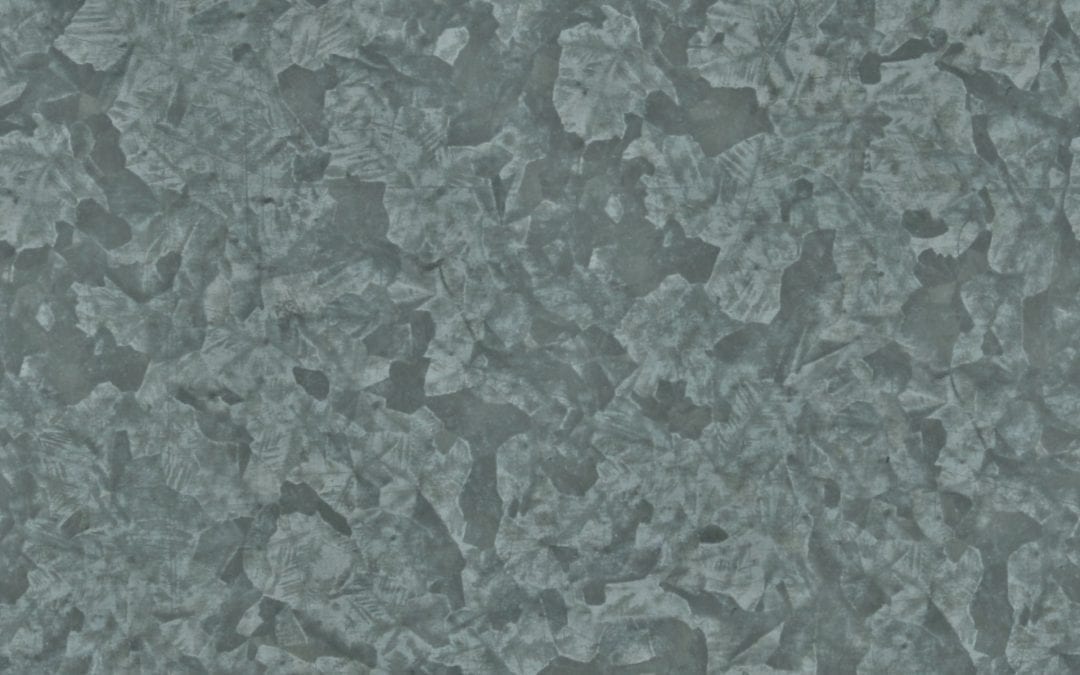
The result is a multi-layered shield that protects the steel inside and out. You can often identify hot-dip galvanized steel by its unique, crystalline “spangle” pattern.
Applications of Hot-Dip Galvanized Steel
Hot-dip galvanized steel is used across industries because of its ability to withstand tough conditions. You’ll find it in:
- Machined components like bolts, nuts, and fittings
- Construction materials such as beams, staircases, and roofing panels
- Agricultural and utility equipment
- Automotive parts
- Telecommunication towers and solar panel frames
In precision machining, galvanizing helps extend the lifespan of parts that face constant exposure to moisture, friction, or outdoor environments.
Hot-Dip Galvanized vs. Galvanized Steel: The Key Difference
All hot-dip galvanized steel is galvanized, but not all galvanized steel is hot-dipped.
The difference lies in how the zinc coating is applied:
| Feature | Hot-Dip Galvanized Steel | Other Galvanized Steel |
| Process | Immersed in molten zinc | Electroplated or pre-coated |
| Coating Thickness | Thicker, bonded layers | Thinner surface layer |
| Corrosion Resistance | Excellent | Moderate |
| Appearance | Spangled, matte texture | Smooth, uniform |
| Cost | Slightly higher | Lower |
| Best Use | Outdoor, high-exposure parts | Indoor or decorative parts |
If your machined parts or components need to hold up in outdoor, wet, or corrosive environments, hot-dip galvanizing is worth the investment. For controlled or indoor environments, standard galvanized steel may be sufficient.
Common Questions About Galvanized Steel in Machining
- Can galvanized steel be machined?
Yes — but it’s important to plan for tool wear. The zinc layer can affect cutting performance, so many manufacturers machine parts first and galvanize them afterward.
- Is galvanized steel magnetic?
The steel underneath is magnetic, and the zinc coating doesn’t change that property.
- Can galvanized steel be welded?
Yes, but it requires proper ventilation and preparation to handle zinc fumes. Galvannealed steel is preferred for welding due to its smoother, matte surface.
- How thick is the coating on hot-dip galvanized steel?
Typically between 45–85 microns, depending on the steel’s thickness and immersion time.
- Does galvanizing affect precision or tolerance?
Slightly — the added zinc layer increases overall dimensions, which should be accounted for in tight-tolerance machining.
Partner with Experts in Machined Components
At Avanti Engineering, we understand that choosing the right materials and finishes impacts your product’s performance and cost. Whether your parts need corrosion protection, high precision, or high-volume production, our team delivers consistent quality backed by decades of experience.
Ready to discuss your project? 👉 Contact Avanti Engineering today to learn how our precision machining and material expertise can strengthen your next build.