
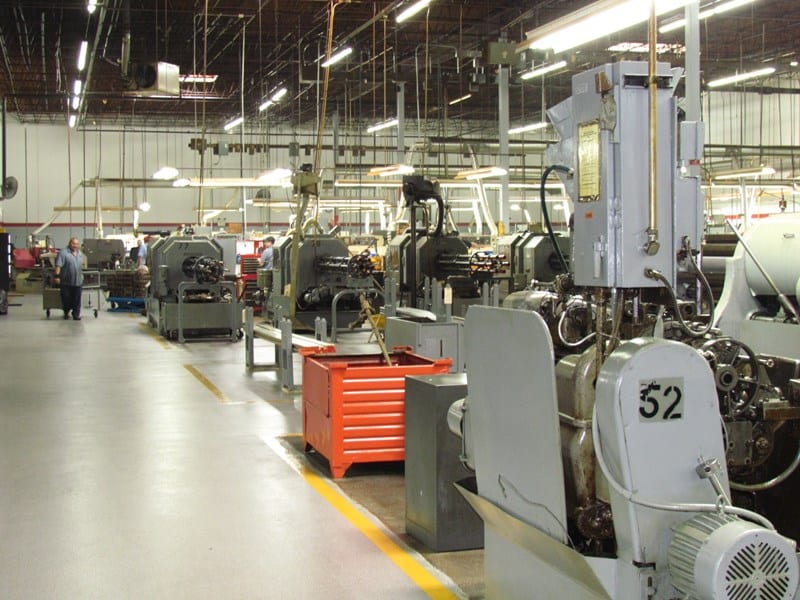
Looking for the perfect machining shop to meet your industrial needs? Look no further! In this ultimate guide, we will walk you through the key factors to consider when choosing the right machining shop. With the advancement of technology, finding a machining shop can be overwhelming. You want a shop that not only has the latest equipment and technology but also delivers high-quality products within your budget and on time.
We cover all the crucial aspects such as:
- Assess the shop’s capabilities.
- Evaluate their quality control processes.
- Determine the shop’s expertise in your industry.
Let us guide you towards making an informed decision that will contribute to the success of your industrial operations.
Understanding the Importance of Choosing the Right Machining Shop
Selecting the right machining shop is crucial for the success of your industrial operations. A reliable machining shop ensures high-quality products, timely delivery, and adherence to your budget. The right partner can also provide valuable insights and suggestions that can improve your product design and manufacturing process. On the other hand, a poor choice can lead to subpar products, delayed timelines, and increased costs.
Different Types of Machining Shops and Their Specialties
Machining shops come in various types, each specializing in different areas to cater to diverse industrial needs. Choosing the right type of machining shop is crucial for ensuring your project’s success. Here are some common types of machining shops and their specialties:
1. CNC Machining Shops
Specialty: CNC (Computer Numerical Control) machining shops specialize in computer-controlled precision machining. These shops utilize advanced software and machinery to produce highly accurate and complex parts.
Advantages:
- Precision: CNC machines offer unparalleled precision, making them ideal for intricate designs and tight tolerances.
- Consistency: Computer control ensures consistent quality across large production runs.
- Flexibility: CNC machines can handle a wide range of materials and complex geometries.
Best For: Industries requiring high precision and complex parts, such as aerospace, automotive, and medical device manufacturing.
2. Manual Machining Shops
Specialty: Manual machining shops focus on traditional machining techniques performed by skilled machinists. This includes operations like milling, turning, drilling, and grinding done on manual machines.
Advantages:
- Customization: Manual machining allows for hands-on adjustments and modifications, making it ideal for custom and one-off projects.
- Cost-Effective: For low-volume production, manual machining can be more cost-effective than CNC machining.
- Experience-Driven: Skilled machinists can offer valuable insights and expertise that automated systems may lack.
Best For: Projects requiring a high level of customization and flexibility, often seen in repair and maintenance work, and custom parts manufacturing.
3. Prototype Machining Shops
Specialty: Prototype machining shops are dedicated to creating prototypes and small batch production. They are equipped to quickly produce initial models of a product for testing and evaluation.
Advantages:
- Speed: Quick turnaround times to meet tight development schedules.
- Iteration: Ability to rapidly iterate and refine designs based on feedback.
- Focus: Specialized in handling small quantities efficiently.
Best For: Industries in the development phase of new products, such as consumer electronics, medical devices, and automotive parts.
4. Production Machining Shops
Specialty: Production machining shops are geared towards high-volume production runs. They are set up to handle large quantities of parts efficiently and cost-effectively.
Advantages:
- Efficiency: Optimized for large-scale production, reducing per-unit costs.
- Scalability: Can handle increasing production demands with ease.
- Quality Control: Robust quality control systems ensure consistency across all units.
Best For: Industries with high production demands, such as automotive, consumer goods, and industrial equipment manufacturing.
By understanding the different types of machining shops and their specialties, you can make an informed decision that aligns with your project’s needs and contributes to the overall success of your manufacturing operations.
Assessing the Machining Capabilities and Equipment of a Shop
One of the most critical factors in choosing a machining shop is assessing their capabilities and equipment. Ensure that the shop has the latest machinery and technology to handle your project requirements. Consider the following:
- Machine Types: Do they have CNC machines, lathes, mills, and grinders?
- Technological Advancements: Are they using the latest software for design and manufacturing?
- Capacity: Can they handle the volume of work you need?
Visiting the shop or website and seeing their equipment in action can provide a better understanding of their capabilities.
Quality Control and Inspection Processes in a Machining Shop
Quality control is a vital aspect of any machining operation. A reputable machining shop should have stringent quality control measures in place. Ask about their inspection processes:
- Inspection Equipment: Do they use CMMs (Coordinate Measuring Machines) and other advanced inspection tools?
- Quality Standards: Are they adhering to ISO or other industry-specific standards?
- Documentation: Do they provide detailed inspection reports and certifications?
A shop with robust quality control processes ensures that the final product meets your specifications.
Considering Turnaround Time and Delivery Options
Turnaround time and delivery options are crucial for meeting your project deadlines. Discuss with the machining shop their typical lead times and how they handle urgent requests. Consider the following:
- Standard Lead Time: What is their average turnaround time for similar projects?
- Expedited Services: Can they offer rush services if needed?
- Delivery Methods: How do they handle shipping and delivery? Do they provide tracking and insurance?
Ensuring that the shop can meet your deadlines without compromising on quality is essential.
Pricing and Budget Considerations for Machining Services
Budget is always a key consideration. While it’s important to find a shop that fits your budget, remember that the cheapest option isn’t always the best. Consider the following:
- Cost Breakdown: Request a detailed quote that includes material costs, labor, and any additional fees.
- Value for Money: Evaluate the quality of work and services provided against the cost.
- Payment Terms: Discuss payment schedules and terms to ensure they align with your financial planning.
Balancing cost with quality and reliability will help you make the best decision.
By carefully considering these factors, you can find a machining shop that meets your needs and contributes to the success of your industrial operations. At Avanti Engineering, we offer a wide range of machining services tailored to meet your specific requirements, ensuring precision, quality, and efficiency in every project. Contact us today to learn more about how we can help you achieve your manufacturing goals.