
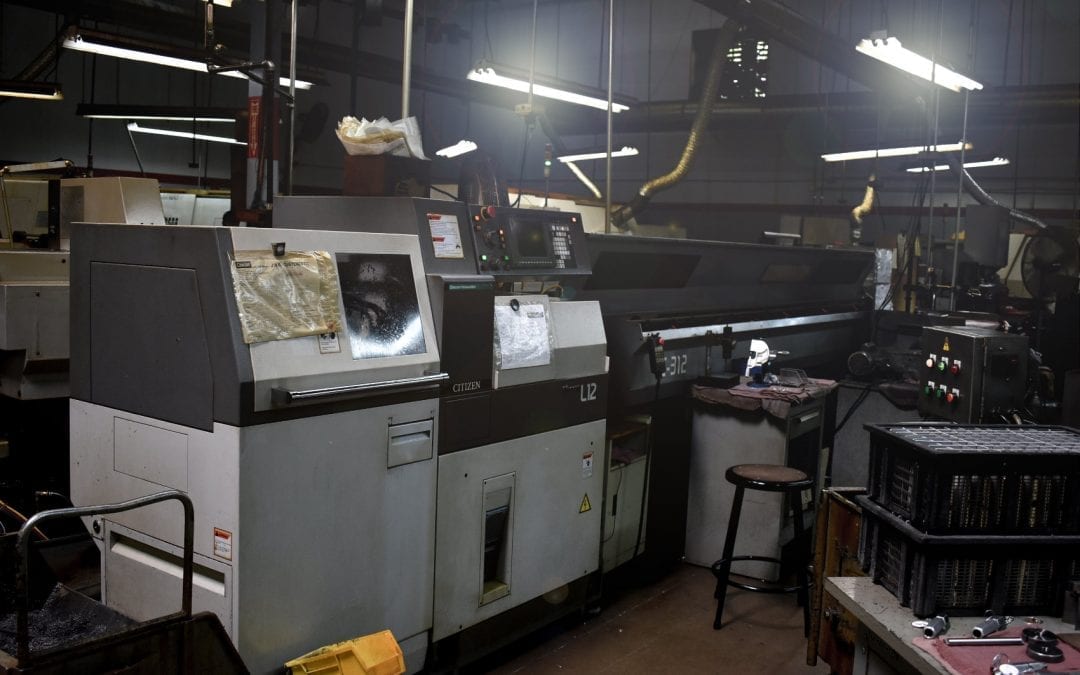
CNC machining is one of the most widely used manufacturing methods in today’s world. From creating tiny medical components to producing large aerospace parts, CNC (Computer Numerical Control) machines deliver the speed, precision, and repeatability that industries depend on.
But if you’re new to CNC machining, it can be hard to know where to start. What types of CNC machines are there? How does a CNC machine actually work? How long does machining take—and how much does it cost? Let’s break it all down in plain language.
What Is CNC Machining?
CNC machining is a manufacturing process where computer software controls machine tools to cut, shape, and form materials. Instead of relying on manual operation, the machine follows digital instructions (called G-code) to produce highly accurate parts.
This makes CNC machining ideal for:
-
Producing complex shapes
-
Manufacturing large quantities with consistency
-
Reducing human error
-
Working with materials like metal, plastic, and composites
How Does a CNC Machine Work?
At its core, CNC machining combines three elements:
- Design – Engineers create a 3D model using CAD (Computer-Aided Design) software.
- Programming – CAM (Computer-Aided Manufacturing) software converts the design into G-code instructions.
- Machining – The CNC machine uses tools like drills, mills, or lathes to cut and shape the raw material.
Because the entire process is automated, CNC machining can achieve precision within thousandths of an inch—something impossible to do by hand.
Different Types of CNC Machines
CNC technology isn’t limited to one type of equipment. There are several machines designed for different applications:
-
CNC Milling Machines – Use rotating cutting tools to remove material. Great for complex shapes and detailed features.
-
CNC Lathes (Turning Machines) – Spin the workpiece against a cutting tool. Best for cylindrical parts like shafts and screws.
-
CNC Routers – Commonly used for wood, plastics, and soft materials. Often seen in furniture or signage production.
-
CNC Plasma Cutters – Cut through metal using a plasma torch. Useful for sheet metal fabrication.
-
CNC EDM (Electrical Discharge Machines) – Use electrical sparks to shape hard metals with extreme precision.
Each machine has its strengths, and many manufacturers use a combination depending on the project.
How Long Does CNC Machining Take?
The time required depends on several factors:
-
Complexity of the design – Simple parts may take minutes, while intricate designs could take hours.
-
Material type – Softer materials like aluminum machine faster than harder metals like titanium.
-
Quantity of parts – Setup takes time, but once programmed, CNC machines can run multiple parts quickly.
On average, a single CNC job can take anywhere from 30 minutes to several hours. High-volume runs are often much faster overall because the setup only needs to be done once.
How Much Does CNC Machining Cost?
CNC machining costs vary based on:
-
Material (aluminum, steel, plastic, etc.)
-
Machine type (milling vs. turning vs. EDM)
-
Complexity and tolerances (tight tolerances increase machining time)
-
Production volume (higher quantities usually reduce per-part cost)
As a rough guide:
-
Simple parts may cost as little as $50–$150 each for prototypes.
-
Complex, low-volume runs may run into the hundreds or thousands of dollars per part.
-
Large-scale production can significantly reduce costs per unit.
CNC machining may seem expensive upfront, but it delivers unmatched precision and long-term reliability.
The 4 Main CNC Manufacturing Processes
When people talk about CNC machining, they often mean one of these four processes:
- Milling – Cutting and shaping with rotating tools.
- Turning – Rotating the workpiece against cutting tools.
- Drilling – Making precise holes.
- Grinding – Using an abrasive wheel for smooth finishes and tight tolerances.
These processes can be combined for more complex parts, and many shops specialize in multi-axis machining to reduce setup time.
Frequently Asked Questions About CNC Machining
Is CNC machining better than 3D printing?
It depends. CNC machining is better for strength, precision, and production runs. 3D printing is ideal for rapid prototyping and complex geometries.
Can CNC machines make custom parts?
Yes—CNC is one of the best methods for custom parts because it can follow unique digital designs with accuracy.
What industries use CNC machining?
Aerospace, automotive, medical, electronics, defense, and consumer goods all rely heavily on CNC machining.
How accurate are CNC machines?
Most CNC machines can achieve tolerances of ±0.001 inches or better.
Key Takeaways
-
CNC machining is a computer-controlled process that creates highly accurate parts.
-
There are multiple types of CNC machines, each suited for different applications.
-
Milling is one of the most versatile processes, capable of drilling, cutting, and finishing.
-
Costs depend on material, design complexity, and production volume.
-
CNC machining offers unmatched precision, making it a top choice for many industries.
Ready to Start Your CNC Machining Project?
At Avanti Engineering, we specialize in precision CNC machining and screw machine products tailored to your exact needs. Whether you need prototypes, custom components, or high-volume production, our team delivers quality, accuracy, and reliability.
👉 Contact us today to discuss your project and get a quote.